 A Golden Rule Company
Topic:
Resume Writing Tips
Your words carry power. With our words we can paint a vivid picture for someone. A couple of years ago as I completed my personal brand strategist certification I surveyed my network. The goal was to see if how you perceived your brand matched how others viewed you. As I read through the survey results,…

Should You Include a Resume Objective on Your Resume? It’s time to toss out the resume objective and replace it with a personal branding statement that helps you stand out and get noticed. As I’ll explain in this quick guide, the resume objective is outdated, overused, and focuses too much on what you want in…
Your resume format sets the tone for a hiring manager’s first impression of your skills and career accomplishments. Learn which resume format is best to win the attention of hiring managers. What should your resume format look like? Are you surprised to learn there’s more than one to choose from? A resume format refers to…

Just like the once-trusted objective statement, a resume career summary is as outdated as avocado-colored kitchen appliances. And thank goodness for both! A career summary used to introduce candidates to hiring managers by summing up all their professional milestones. Unfortunately, these are now so generic and boring that they waste your opportunity to make a…
Despite what you may have heard about sticking to one page, there’s no hard-and-fast rule for how long your resume should be. If you’re a recent college graduate or seeking an entry-level position, a one-page resume may be smart, simply because you don’t have enough experience to fill any more pages. However, single-page resumes are…
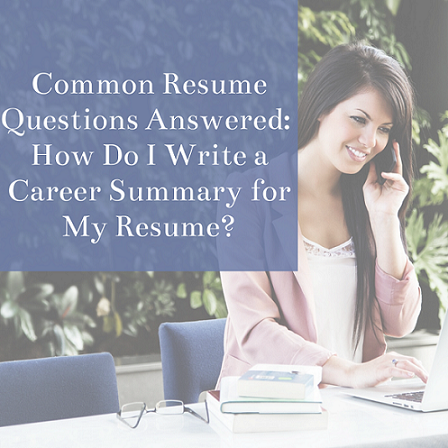
A career summary shouldn’t actually be a summary in the traditional sense of the word at all. You want to get attention with quantifiable accomplishments and relevant hard skills—not bore a hiring manager with the exact same information about years of experience they’re about to see on your resume. Hiring managers and recruiters want to…